

Sicily sits in the middle of the Mediterranean like a stepping stone between three continents, and for three thousand years almost everyone who mattered wanted to hold it. The island took in each of them and stayed, unmistakably, itself.
The Greeks and Rome
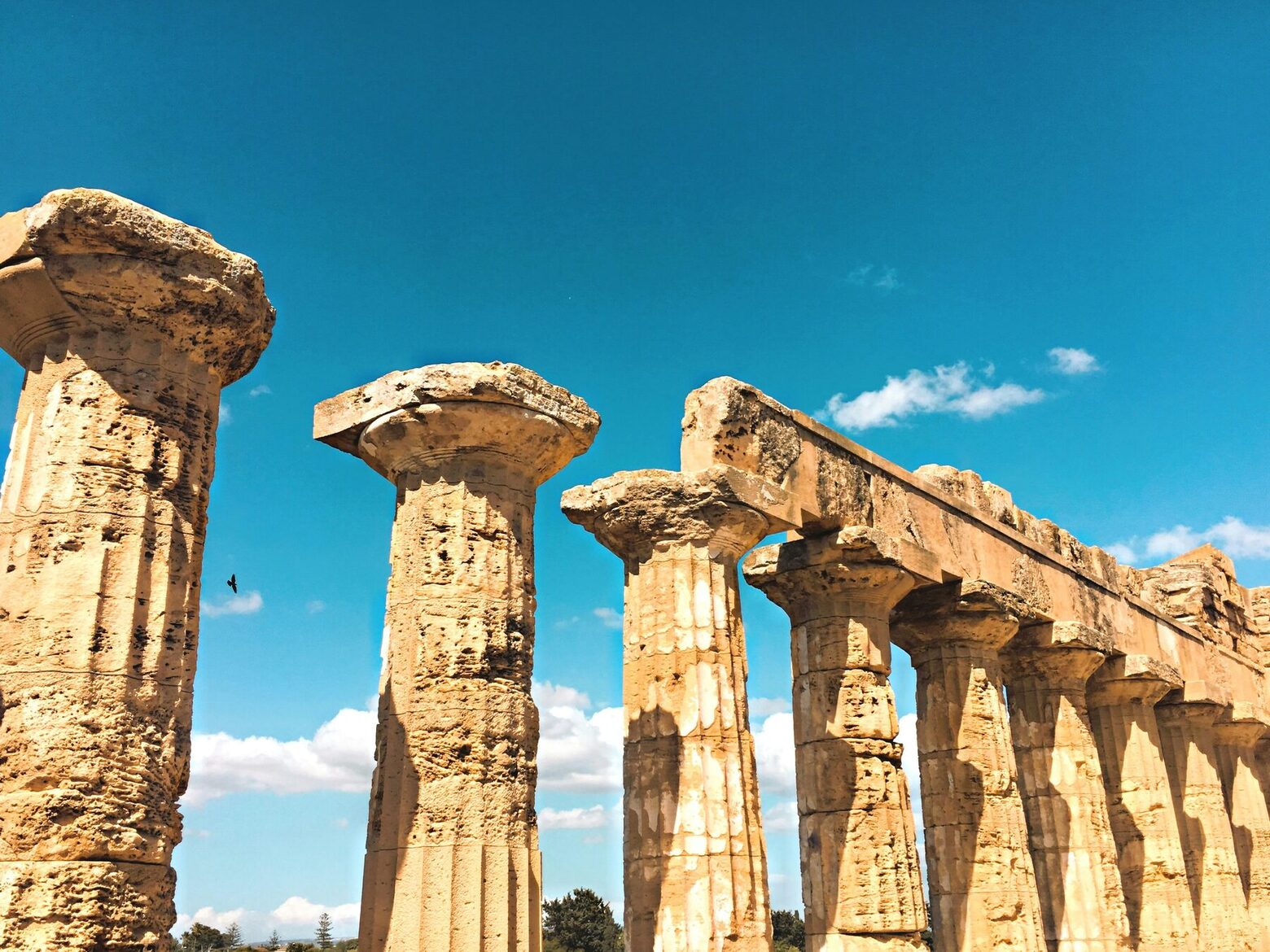
The Greeks came first in force, founding Syracuse and Akragas and Selinunte and raising temples that still stand gold against the fields. For a time Sicily was one of the richest corners of the Greek world, and Syracuse rivalled Athens itself. Carthage and then Rome fought long wars over the island, and under Rome it became the granary that fed the capital, its wheat carried across the sea by the shipload.
The Arabs and the Normans
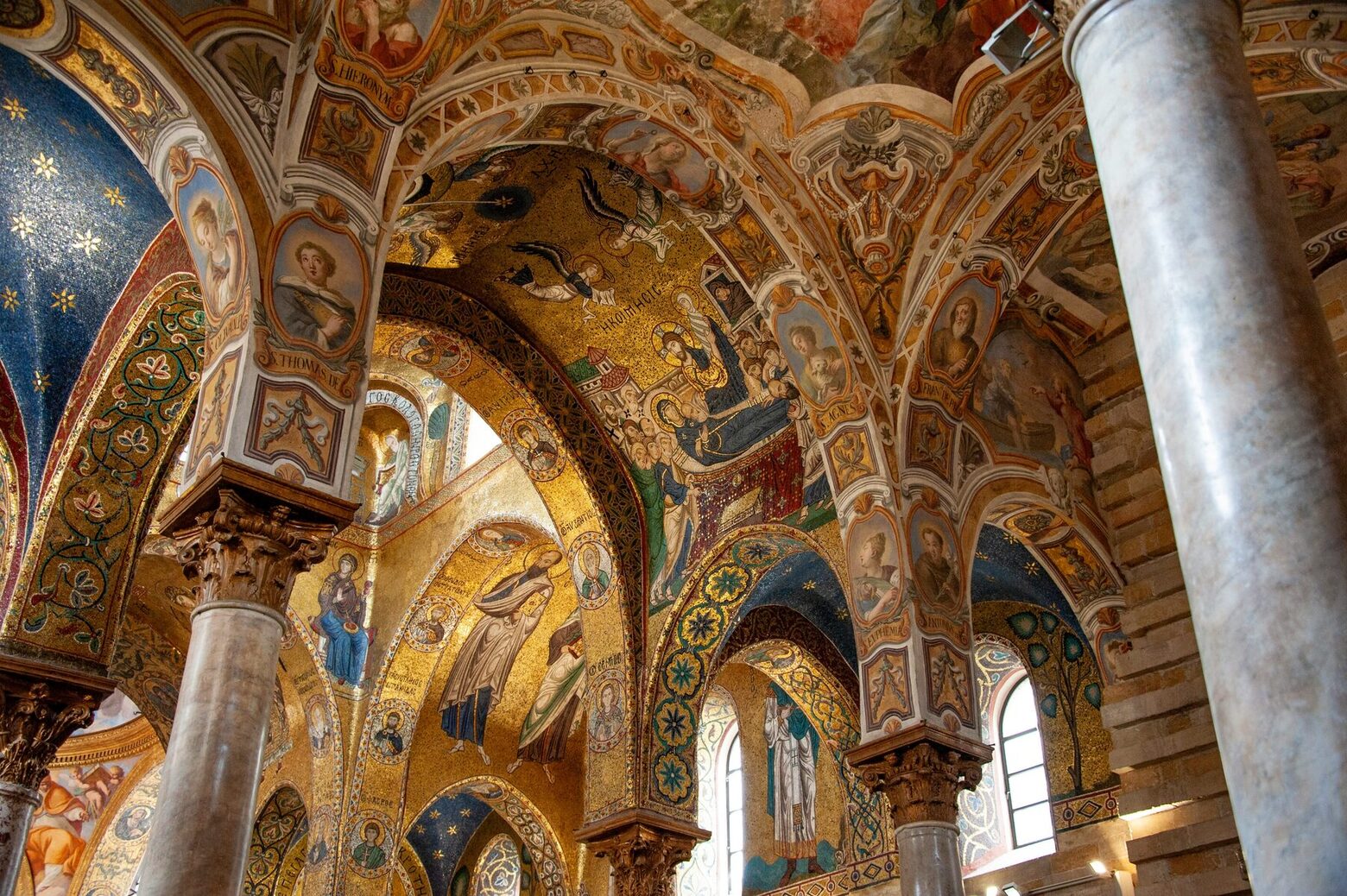
After the Byzantines came the Arabs, who took the island in the ninth century and remade it. They brought citrus and mulberry and sugar cane, terraced the hillsides, dug the irrigation that still waters the groves, and turned Palermo into one of the great cities of the Mediterranean. In the eleventh century the Normans arrived and, rather than sweep all of this away, built on top of it. Under Roger II their court spoke Latin and Greek and Arabic in the same room, and the cathedrals of Palermo and Monreale and Cefalù still glow with gold Byzantine mosaic set over Norman stone. It was one of the most tolerant and cultivated kingdoms in medieval Europe.
Vespers, Spain, and the baroque
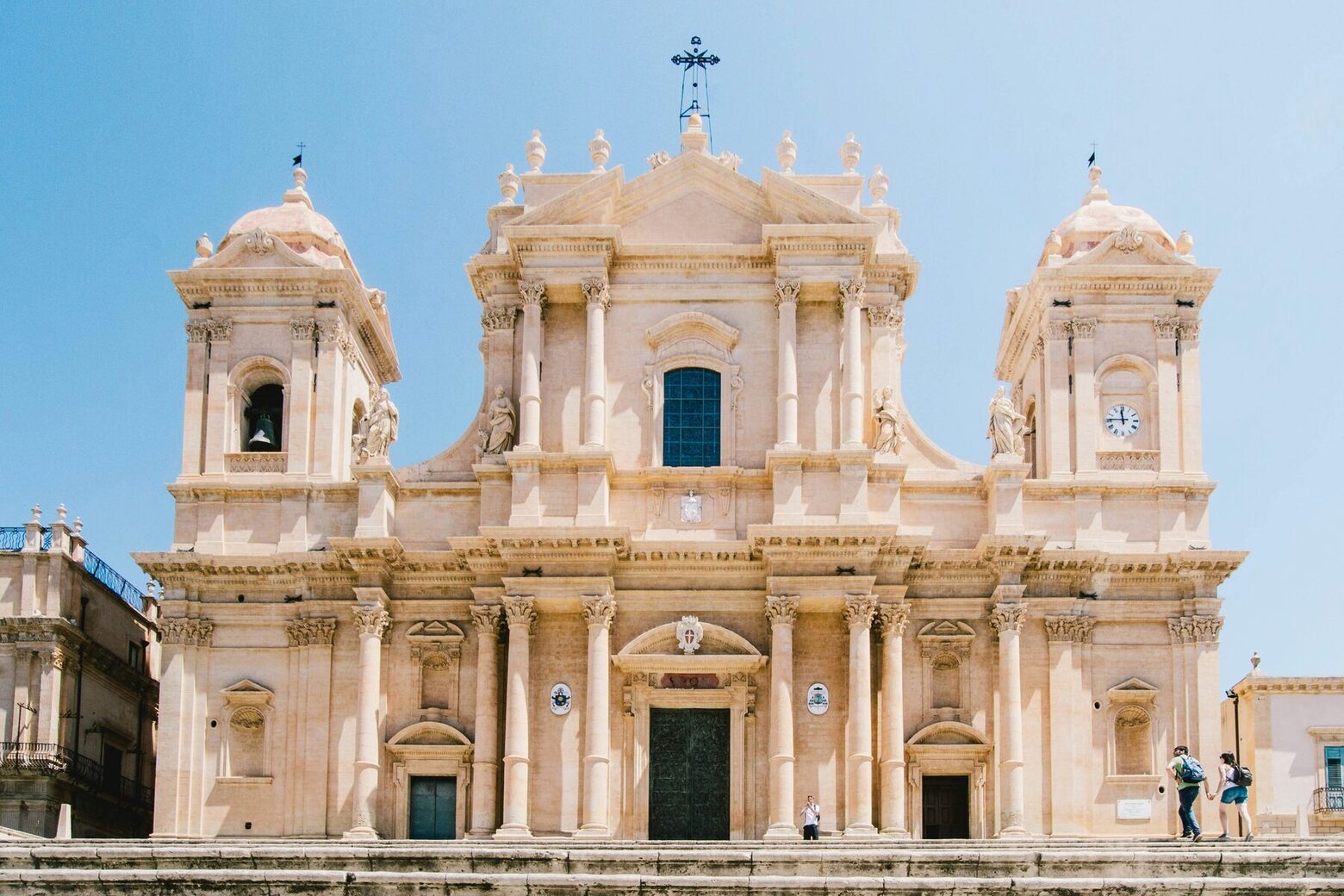
In 1282 the Sicilians rose against their French Angevin rulers in the revolt remembered as the Sicilian Vespers, and the crown passed to Aragon. For centuries afterward Sicily was governed from a distance by Spanish viceroys, a far province of a great empire. In 1693 a tremendous earthquake levelled the south east of the island, and the towns that rose from the rubble, Noto and Ragusa and Modica, were rebuilt in a honey coloured baroque so complete that they read today like a single work of art.
1860 and the making of Italy
In 1860 Giuseppe Garibaldi landed at Marsala with a thousand volunteers, broke Bourbon rule in a matter of months, and handed Sicily to the new Kingdom of Italy. This is the exact moment of The Leopard, the hinge on which the old aristocratic world swung shut. Unification promised a great deal and, for many Sicilians, delivered far less than they had hoped. Poverty and emigration carried millions across the Atlantic in the decades that followed, and the island's long habit of outlasting its rulers held once again.
The land itself
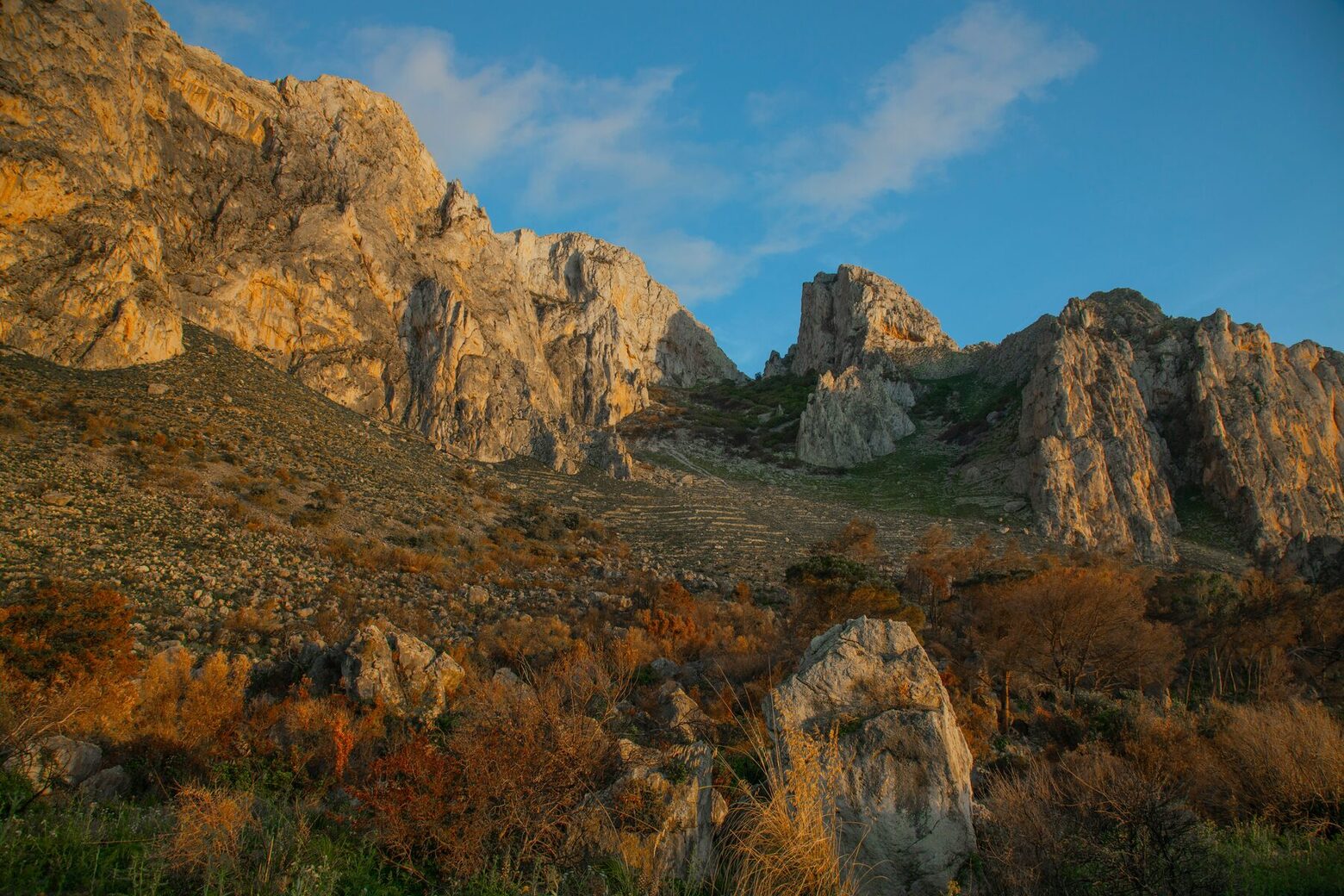
Behind all the history is the country. Terraced vineyards and silver grey olive groves, lemon and orange orchards the Arabs first planted, almond trees in white blossom by February, and over all of it the brooding cone of Etna, the great living volcano of Europe, whose black soil feeds the vines. It is a landscape of enormous beauty and real hardship, sun stunned and ancient and patient.
The end of the titles
The Sicily of princes and barons faded across the twentieth century, and in 1948 the new Italian Republic set the seal on it. Its Constitution declared that titles of nobility are no longer recognised, closing the book on the old aristocracy in law as history had already closed it in fact. What remains is the romance of the thing: the Dons and the Donnas of the great estates, the dancing leopard on the gate, the long golden afternoon of a world that will not quite let go. That is the Sicily behind your honorific title. Everything there has changed a hundred times over, so that Sicily could stay, in the end, herself.